


 0
0

Prepared for new experiences? Not to careful? Queer? You may be more into consensual non-monogamy.
More folks than ever have been in non-monogamous interactions, and new investigation sheds light on what aspects cause people to â and particularly queer folks â very likely to be into all of them. A
research released a week ago within the
Diary of Bisexuality
found that significantly more than various other character facets or attachment styles, getting much more open (appreciative of several knowledge) and less conscientiousness (not to self-disciplined) helps make queer people more prone to feel favorably about and practice consensually nonmonogamous interactions.
For straight people, there is a link between attachment positioning and consensual nonmonogamy: those people who aren’t very confident with intimacy with a partner (the accessory avoidant) tend to be more open to it; whereas individuals who are insecure about somebody’s accessibility, want confidence, and generally are scared of abandonment (the accessory stressed) are much less ready to accept it.
However for queer men and women, it really is more complex than that. Consensual nonmonogamous interactions are typical among queers, and social norms like this can impact attitudes or actions. According to past investigation mentioned from the writers, 35% of bisexual females and 21per cent of lesbian ladies reported having tried out consensual non-monogamy, versus 16percent of direct ladies. And once you set about in order to get from a heteronormative connection design, you might be very likely to get off a mononormative connection model, too. Attachment elimination or anxiousness isn’t the complete photo; for queer folks, society and character are what matter.
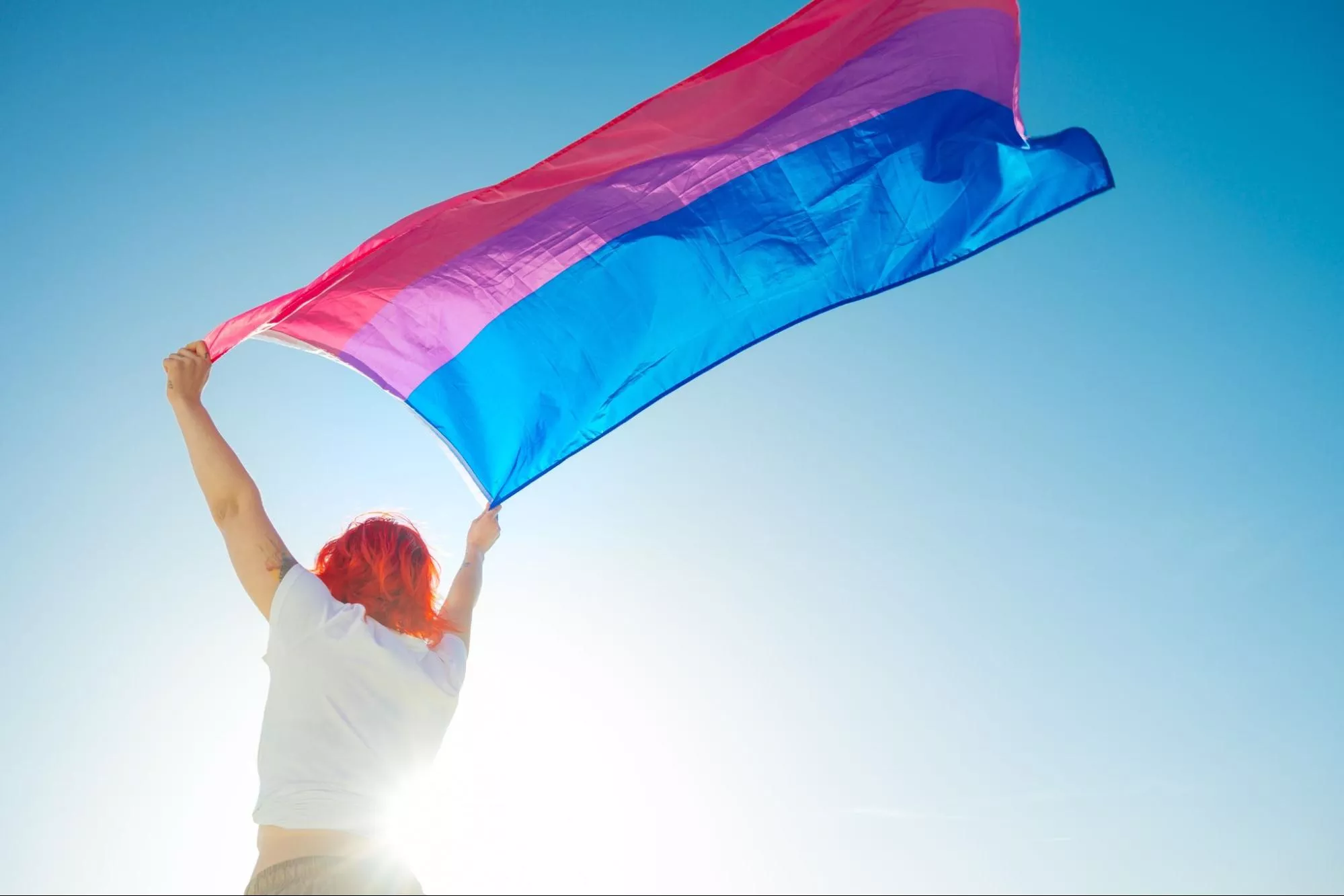
The analysis focused on exactly how personality attributes â particularly openness, conscientiousness, extraversion, agreeableness, and neuroticism â tend to be associated with good perceptions and interest toward consensually non-monogamous interactions among sexual minorities. The authors recruited 108 LGB members using the internet â 67percent defined as females, 62percent identified as bi- or pansexual, and 38% recognized as homosexual or lesbian â to respond to questions to their attitudes toward enchanting connections.
The writers found that getting more open generated people more drawn to consensual nonmonogamy, and compose:
“[O]penness to brand new encounters and conscientiousness were powerful predictors of interest to multiple-partner relationships among LGB individuals. Those who generally have energetic imaginations, an inclination for range, and a proclivity to take part in brand new experiences (for example., rich in openness) keep good perceptions toward CNM and greater determination to engage in these connections.”
While becoming much more careful had a tendency to cause people to less interested in consensual nonmonogamy:
“[I]ndividuals just who are extremely organized, cool, cautious, and success pushed (for example., high in conscientiousness) perceive CNM adversely while having much less desire to take part in CNM. Also, given that very conscientiousness individuals will deliberate, these people may have thoroughly thought about just what these interactions embodied (for example., believed thoroughly precisely how all the CNM-related object would perform down) before supplying their own attitudes. Although we did not at first hypothesize this result, this choosing is basically consistent with earlier investigation showing reasonable conscientiousness becoming robustly (and cross-culturally) associated with interest in commitment nonexclusivity ⦠quite, those high in conscientiousness may see CNM interactions as having ill-defined relational programs. Definitely careful people are much less aimed toward experience seeking ⦠and perhaps less prepared to violate personal norms regarding monogamy.”
Mostly is sensible, right? Additionally they discovered that, perhaps counterintuitively, becoming extraverted produced some one more likely to feel negatively about consensual nonmonogamy, and failed to impact readiness to test it out. Initially, the writers theorized that extraverts would enjoy satisfying brand new possible lovers and carrying out related social tasks (i am picturing all those poly family members brunches); as a possible description, they remember that extraverts generally care a lot more about a predicament experiencing nice than about appreciating personal connections, “that may end up being an underlying reason why extraversion was not about positive perceptions toward CNM.” Additionally they observe that earlier investigation results on extraversion and intimate conduct are on the place, hence subculture distinctions and norms could affect the outcome and need even more exploration.
Particularly, additionally they discovered that, for queer folks, exactly how somebody acts in normal contexts reveals a lot more about the things they’ll remember distinct relationships, or if they’ll be drawn to all of them, than that individual’s style within interactions: “Arguably, a person’s accessory direction is much more connected with relationship processes and high quality, whereas one’s individuality aspects much better suited to understand attitudinal dispositions relating to varied connections.”
This is actually the very first empirical research to examine character traits and feelings towards consensual nonmonogamy among an organization already much more into consensual nonmonogamy. That will be very cool! This study didn’t protect exactly how perceptions about or determination to take part in multi-partner relationships translate to truly having multi-partner relationships, or what makes those connections effective, in fact it is hopefully a direction for future analysis.
Before going!
It costs cash to make indie queer media, and frankly, we need even more people to survive 2023
As thank you for TRULY maintaining all of us alive, A+ users get access to added bonus content material, added Saturday puzzles, and much more!
Are you going to join?
Cancel whenever.
Join A+!
